


N°0240 · Generation 2
Magby
It lives near volcanoes. At the end of the day, it relaxes in a nice magma bath.
Share this Pokémon
Characteristics
- Height:
- 0.70
- Weight:
- 21.40
Base stats
Total: 365Combat strengths and weaknesses
Damage multiplier taken by Magby depending on the attacking move's type. ×2 and ×4 are the attacks to avoid.


Your Pokédex, in cards
Every card of every Pokémon, what you already have and what you're missing.
Evolutions

Additional information
Pokémon Cards (9)







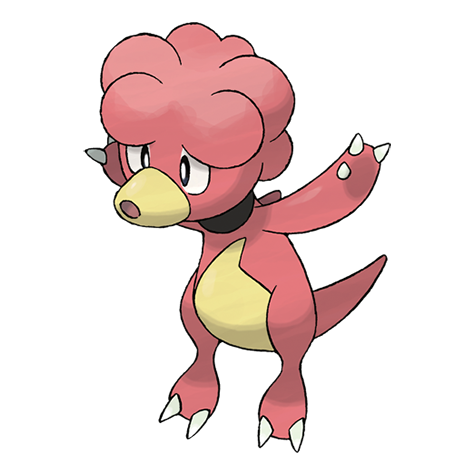
Official artwork
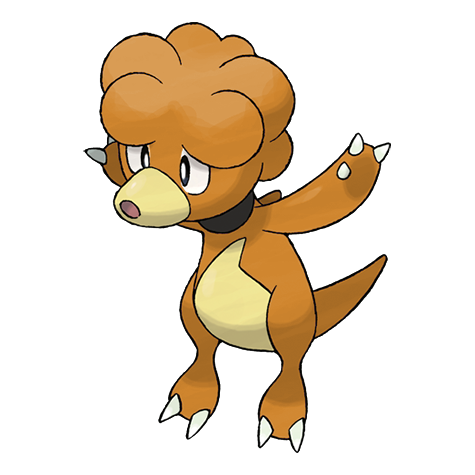
Base sprites


Pokémon Home
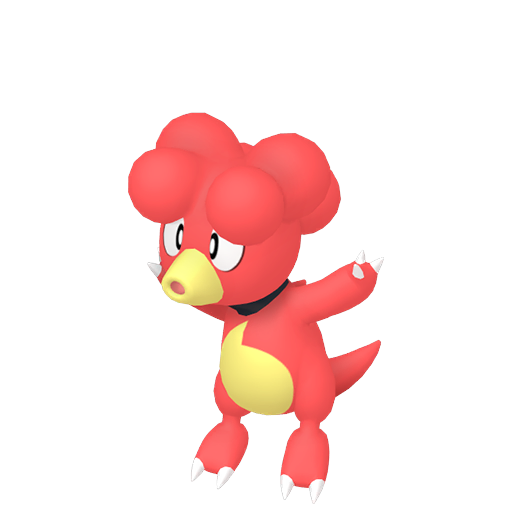

Dream World

Showdown


Detailed information
General overview of Magby
Magby is a Pokémon of the Fire type introduced as the pre-evolution of Magmar and a future stage before Magmortar. Its English name is Magby and its Japanese name is ブビィ. This small baby Pokémon is often associated with magma and flames that pour from its body as it heats up. In the Pokédex, Magby is generally presented as a charcoal Pokémon, with a red and unstable body that produces small amounts of burning gas when it breathes.
For players, Magby is most useful on teams looking for a Fire-type Pokémon that is accessible from the start or through breeding. It has a base movepool oriented around classic Fire moves like Ember, allowing it to progress easily before evolving. Regarding its weight, Magby is around a few kilograms and remains a lightweight Pokémon, suited to quick battles and early-game strategies.
Characteristics and type
Magby is a pure Fire type. Its perpetually burning body allows it to produce intense heat and fuel flame-based moves. In Pokédex entries, it is described as unstable, which is reflected in its base values centered on special attack and speed.
In battle, Magby remains fragile defensively. Trainers must compensate for this weakness by using fast moves or by taking advantage of its abilities when available in certain games. Magby suits strategies that prioritize offensive pressure and quick hits rather than a defensive role.
Evolution and level
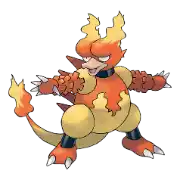
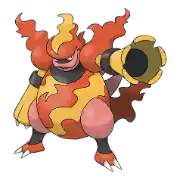
Magby is the direct pre-evolution of Magmar. It evolves into Magmar simply by leveling up, without any item or special condition. Afterward, Magmar can evolve into Magmortar via a specific item depending on the game. This evolutionary line allows players to obtain a powerful and versatile Fire-type Pokémon.
Since Magby is a baby Pokémon, it often appears in breeding systems. By placing Magmar or Magmortar at the daycare with a compatible partner, the resulting Eggs almost always produce a Magby.
Moves and capabilities
Magby's moves include Fire-type moves like Ember from the very first levels, then more powerful strikes as it progresses. It can learn various moves via TM depending on the game, which increases its flexibility.
Its base movepool revolves around burn effects, fast damage and sometimes physical hits as a complement. For trainers looking for a straightforward Fire-type Pokémon to train, Magby remains a reliable option.
Pokédex entry and useful information
Magby has a Pokédex number that varies by generation but always remains linked to its Magmar and Magmortar evolutionary family. Its size is small, making it a discreet Pokémon. It is available in several games, including certain GO titles or in obscure versions during special appearances.
Magby sometimes appears late in certain versions, but can also be obtained through breeding, making it easy to integrate into a team. Pokédex entries often describe it as a Pokémon with a white-hot body that breathes unstable flames. Trainers must manage its low base level, but once trained it becomes a solid asset in the early to mid game.
Magby in the Pokémon card game
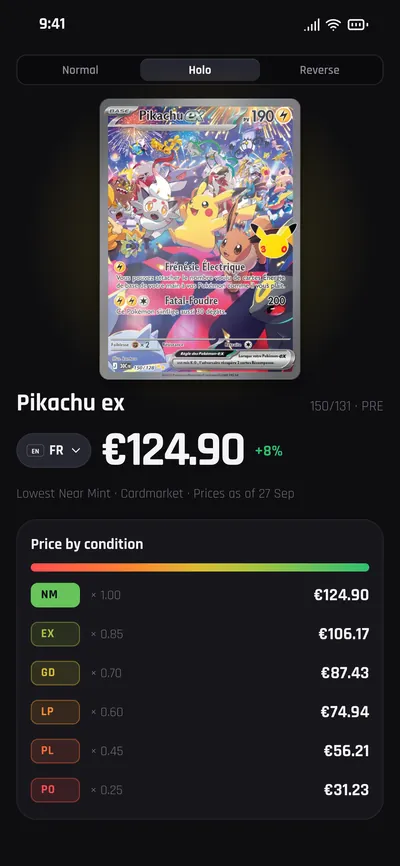
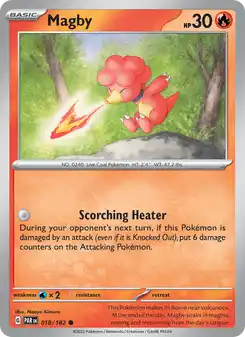
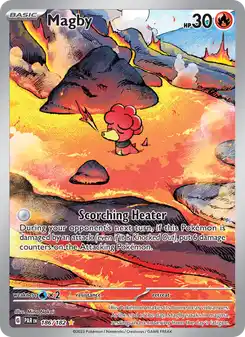
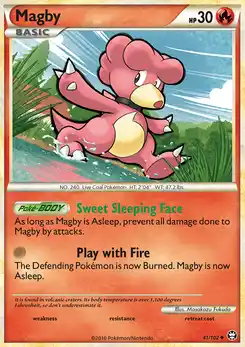
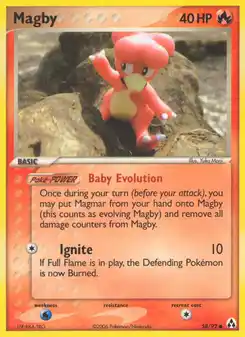
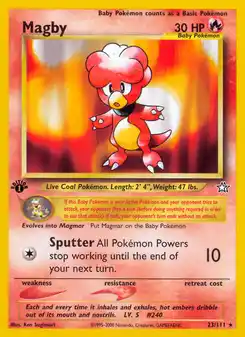
In the trading card game, Magby exists in several forms, notably as a baby Pokémon version. Some cards highlight its vivid red design, its charcoal-producing body or its small flames. The price of cards varies depending on the series, rarity and ex or more recent edition.
Magby cards often serve as a base for Fire-oriented decks, although their use is mainly limited to formats where baby Pokémon are playable. They do, however, allow collectors to complete the Magby-Magmar-Magmortar evolutionary line.